Ethical considerations form the core of my research, permeating the entire process. Beyond formal guidelines, such as those from the Finnish National Board on Research Integrity (TENK) (2013), I view ethics as an emergent, situated, and ongoing engagement throughout the work. In this section, I describe my approach to ethics as relational, enacted through response-ability. Additionally, I narrate the practical ethical considerations that arise in work with children, including consent procedures, safeguarding, and handling research materials involving children.
3.4.1 Relational Ethics as Response-ability
I adopt a holistic, embedded orientation towards research ethics, which I term relational ethics, encompassing both research and pedagogy. This approach entails continually and critically evaluating how my dance-pedagogical research values and practical choices create entanglements with ethico-onto-epistemological significance. In this sense, ethics are not understood as merely predefined guidelines or pedagogical values, but material, relational, and situated forces that create a dynamic, transformative research context—one that evolves, adapts, and becomes lived and situational as the process unfolds. This understanding aligns with Barad’s (2007) view of ethics as inseparable from ontology and epistemology, which I also discuss in the section ‘Tuning-in’ to Intra-active Early Childhood Dance Pedagogies.
A central condition for the ethical potential of encounters lies in the capacity to respond purposefully in diverse situations. Barad (2007) terms this response-ability, which involves not only the capacity to act but also the ability to stay open to the responses of others. During my fieldwork, I experienced this need particularly in encounters with children who spoke little or not at all. During our silent encounters through play, I could rely on my dance expertise, whereby gestures, rhythm, and dynamics carried meaning. In these moments, communication emerged in poetic and interpretive ways—often more open than spoken language, leaving space for multiple interpretations and thus, creative thinking.
I understand the ability to respond as a key premise for ethical engagement within my entangled practice of dancing–teaching–researching. Flønes’ (2023) dance educational choreographic research similarly emphasises the ethical dimensions of artistic–pedagogical work, proposing a response-able practice later conceptualised as edu-choreography (2025). In my research, response-ability informs both dance pedagogy and methodological choices, positioning ethical responsiveness as an ongoing, situated practice (Flønes et al. 2022). This idea is central to my Hunting–Gathering method, wherein children’s dances act as generative sources of the intra-active becoming of dance, unfolding through response-able bodies in reflective-diffractive dialogue. A crucial element in this process is Embodied Listening, which fosters kinaesthetic attunement and enhances the capacity to respond. Its pedagogical potential extends beyond dance itself: once activated, such attentiveness endures, opening possibilities for response-ability across varied modes of being and relating.
3.4.2 Practical Ethical Considerations
Consent Procedures for the Fieldwork
Preparations for my fieldwork required institutional negotiations with the daycare centre, ethical review approval from the University of the Arts Research Ethics Review Committee, and a research permit from the City of Helsinki. I also prepared informed consent forms, which needed to balance institutional requirements, such as data protection clauses, with the daycare centre’s request for concise and accessible information for guardians to increase the likelihood of consent. Given the multilingual backgrounds of the families—85 per cent of participating children came from multilingual homes—documents were translated into English, Arabic, and Somali. Nevertheless, written information did not reach all guardians, prompting the appointment of a part-time multicultural instructor to convey the material orally.
The contrasting use of language across these contexts—the daycare centre, the university, and local authorities—further shaped my understanding of research as a form of translation and underscored the need to adapt research communications to their specific contexts. These challenges led to my first research discovery, as I felt compelled to find a way to present my research in an accessible manner to children. Ultimately, the most suitable approach was to visually outline my research process in a leaflet. All the children received their own leaflet, which we explored together. The events were also experienced practically and embodied through dancing the illustrations.
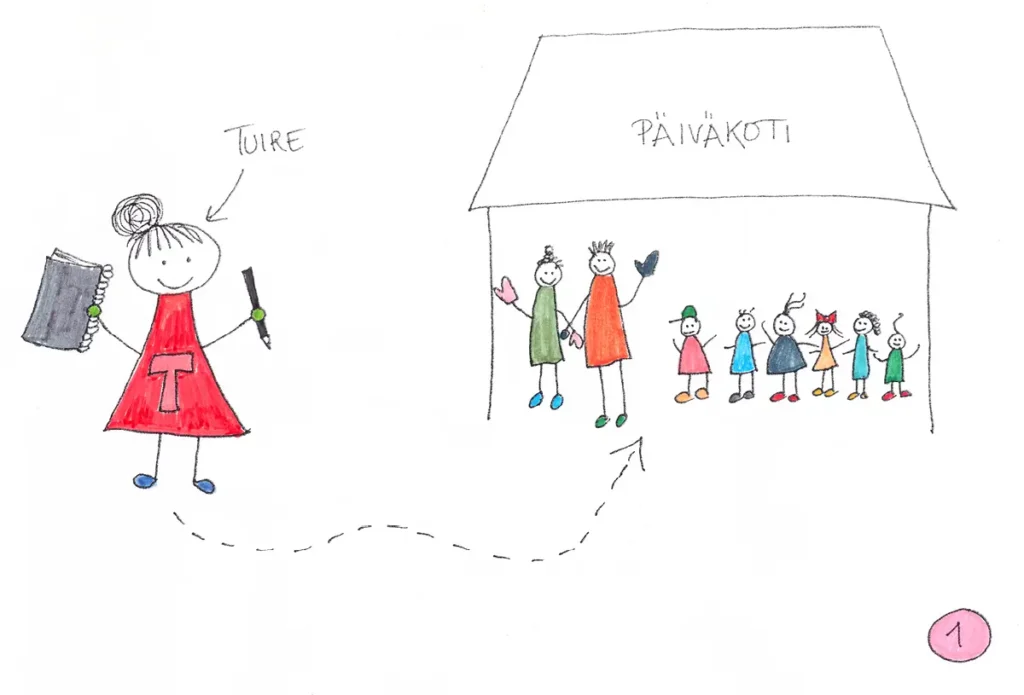
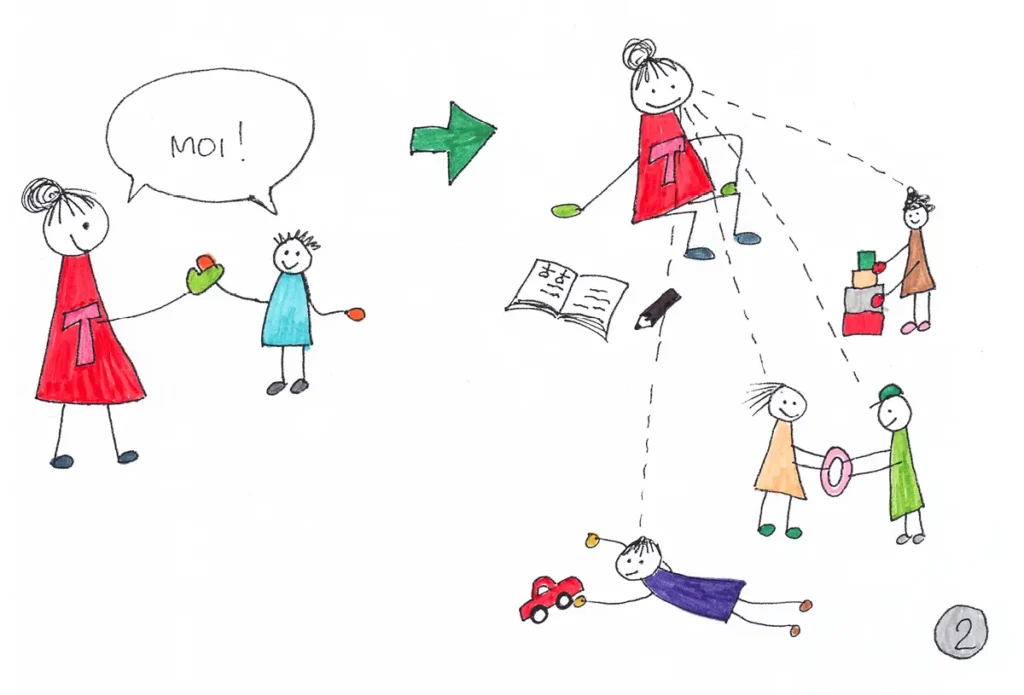
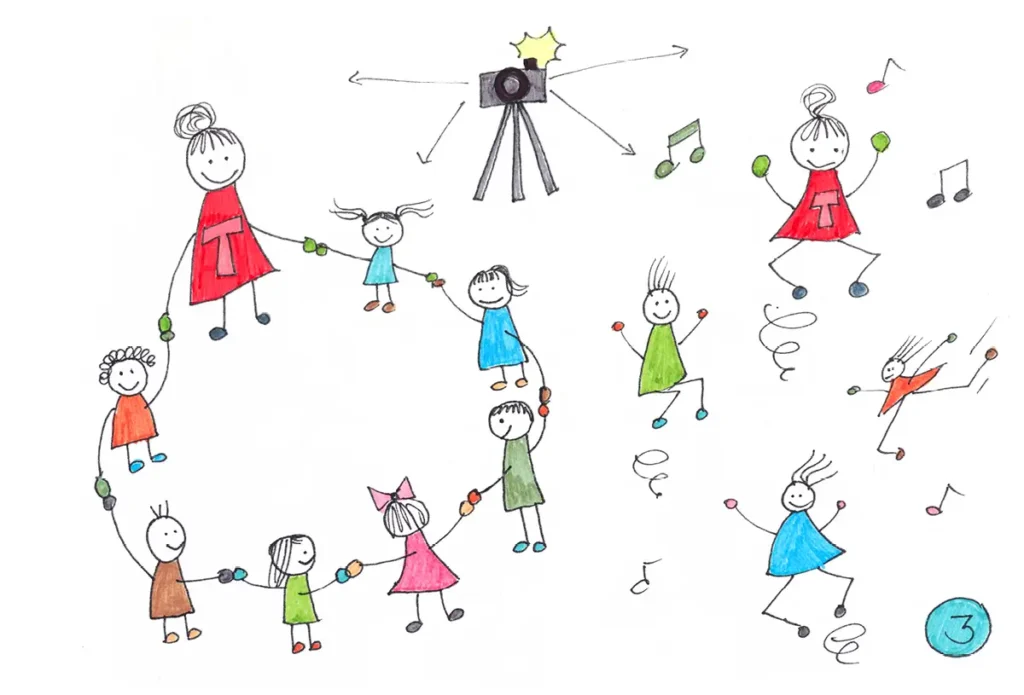
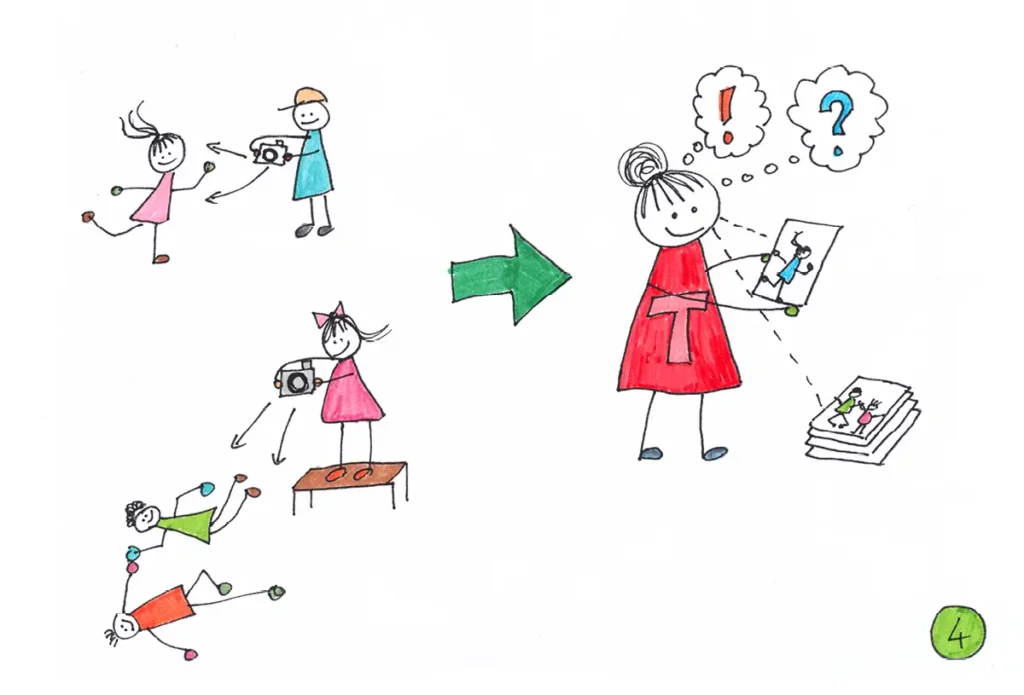
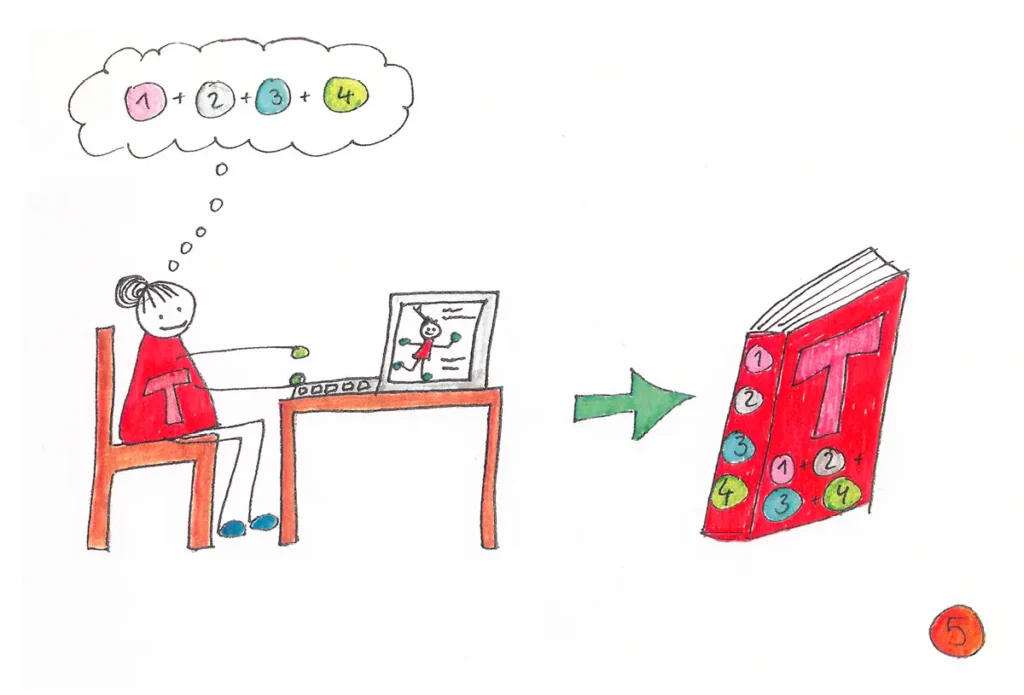
View written translations
Information and Privacy Notice for Research Participants:
Consent on participating:
I began my fieldwork by working with three groups of children. Although we initially planned to narrow my focus later to a single group, ethical considerations made this unfeasible, as all groups were actively engaged in the activities. Frankenberg et al. (2019) describe how children excluded from research due to a lack of parental consent can become aware of their omission, leading to feelings of marginalisation. To ensure equitable opportunities for participation in the research, the dance-pedagogical activities of this project were integrated into the daycare centre’s arts education curriculum, although research documentation was limited to children who provided consent.
For the fieldwork, most guardians consented to their children’s participation in the study and to audiovisual documentation. Because written consent was obtained from guardians rather than from the children themselves, I considered it insufficient on its own, aligning with Rautio’s considerations regarding children’s consent (2014). Requesting written consent from children did not seem relevant, so I implemented an ongoing consent process: children could decide at all times whether to participate. To support fluid transitions between engagement and withdrawal, children were only required to be present in the space where the dance sessions took place, as determined by the daycare staff’s pedagogical groupings, but active physical participation was never mandatory. This approach supported my aim of diversifying the acknowledged modes of participation in dancing.
This fluid way of working with different modes of participation during the dance sessions reflects Kraschnewski’s (2006) principle of rolling informed consent, which emphasises the iterative negotiation of consent throughout the research process, especially with vulnerable participants whose willingness may fluctuate. Similarly, Frankenberg et al. (2019), drawing on Alderson and Morrow (2011), propose in-situ informed consent, viewing consent as a continuous, context-dependent process that upholds each child’s right to withdraw from participation at any time.
In practice, children exercised their consent fluidly: some who were initially reluctant were drawn into the activities, while others who began eagerly later withdrew. I understood such withdrawals as expressions of embodied autonomy rather than refusals to participate in the research, which aligns with Rautio and Winston’s (2015) considerations about children’s participation in research. Over time, it became clear that withdrawn participation could serve as an alternative form of engagement, as children who observed or joined discussions often offered insights as valuable as those of active participants. My priority was to ensure that no child felt pressured or overlooked, regardless of their involvement. This recognition aligns with my understanding of expanded participation, in which withdrawn participation is regarded as legitimate. However, this perspective was not always shared by staff, who tended to view active engagement in dance and research as the most relevant form of participation.
Reflections on consent in embodied activity
18thMay 2022
Research year 5/8
Ethical negotiation of participation in dance can be delicate, and avoiding stepping into the territory of unethical pressuring is essential. I recall two incidents related to not giving consent that evoked strong emotions in me.
First, imagine a doctoral research community course, where one of the teachers in charge completely refuses to participate in a physical practice session led by a doctoral student. The task is to imitate a small snippet of a child’s speech and movement recorded on video as precisely as possible in a short time, and to present the interpretation to others. The teacher withdraws to a corner of the room, sits, and hides behind the hood of their pullover, isolating from the exercise and the community.
Then, imagine a very young child in a daycare centreencountering a dance session for the first time. The child seems to be feeling a mix of wonder and overwhelm as they stand back and watch. Suddenly, a staff member approaches the child and, without any prior consultation, grabs their hands, initiating a movement in a manner they deem suitable for the dance themed around flying. This physical intervention occurs without seeking the child’s consent or honouring their right to embodied autonomy.
Initially, I felt annoyed by the teacher’s refusal during the doctoral course. Looking back, I realise my irritation stemmed from the teacher’s privilege to refuse, a privilege the child in a similar situation did not have. Ideally, everyone should be free to decline participation, even if that refusal might frustrate educators or peers.
A core principle of my research is that everyone possesses the inherent right to bodily autonomy and self-determination. While I wish to share the value of dance, I also recognise that it may not resonate with everyone in all contexts, and that multimodal approaches, including other art forms, may at times offer complementary points of connection and ensure the embodied agency of children. As Keränen (2022) shows, norms of touch and embodiment in ECEC are largely defined by adults, often leading children to perceive that adults better understand their needs. Therefore, a central aim of intra-active dance pedagogy is to enable children to exercise embodied autonomy and to learn relational response-ability.
Consent Procedures for Käännöksiä – Transpositions
Preparations for the pre‑examined artistic component Käännöksiä – Transpositions required only minor institutional negotiations—such as obtaining informed consent from guardians—but extensive pandemic‑related negotiations, which I describe in detail in the section ‘Sharing’ in the Pre-Examined Artistic Component Käännöksiä – Transpositions. A central ethical aspect of the process was that I ultimately worked with my own children as collaborators. This approach brought a valuable child-centred perspective to the planning, while also heightening my awareness of the particularly pronounced power dynamics at play compared to working with other children. While engaging with my own children, I consciously reminded myself that I was acting primarily as a dancer–pedagogue–researcher rather than as a mother—a stance that felt akin to playful role-play. Adopting this perspective enabled me to respect the child’s right to withdraw from experimentation and to avoid any misuse of the trust placed in me by my children, who, in turn, perceived me not as a professional but as a mother.
Furthermore, the Theatre Academy adapted to the pandemic by establishing guidelines regarding the number of individuals permitted in spaces during performances, which risked the event becoming an exclusive experience limited to a select few. This realisation prompted me to address several ethical considerations aimed at enabling participation in the most inclusive manner possible. Invitations were disseminated at the daycare centre to all children who had participated in my fieldwork. The invitations indicated that participants would be selected through a lottery system and requested that they specify preferred dates for their visits. Half of the visits were planned for daycare staff, while the other half would be attended by children with their guardians. When only twelve children registered, I decided to include all participants rather than proceed with the initially intended lottery process. This approach ultimately allowed the event to fulfil its objective of inclusivity, as far as my actions were concerned. However, my ethical choices did not alter the fact that the decision to participate in the lottery was made by the guardians rather than by the children themselves.
I also applied the principle of ongoing consent during Käännöksiä – Transpositions, even though the event’s dynamics were quite different, and only a few children chose not to participate in certain activities. When this occurred, the activities were adjusted accordingly—for instance, the adults continued while the child took on the role of observer.
Safeguarding and Handling of the Research Materials
Çentral questions concerning safeguarding arose in the process of working with the research materials for conference presentations, article publications, and this commentary. A key consideration has been the ongoing reflection on what and how to publish—and, correspondingly, what not to publish and why.
In the early stages of my research, I considered publishing detailed, unanonymised audiovisual materials from my dance pedagogical work as essential to this commentary. However, through engaging with agential realism (Barad 2007), non-representational theories (Vannini 2015), and postqualitative research (e.g., Koro-Ljungberg 2015), I came to see that such materials both fail as straightforward evidence of reality and simultaneously exceed that role. This shift led me to reconceptualise their place within my research, including the use of what I call silent images—photos of empty spaces without participants, a term insightfully coined by my older son at age eleven.
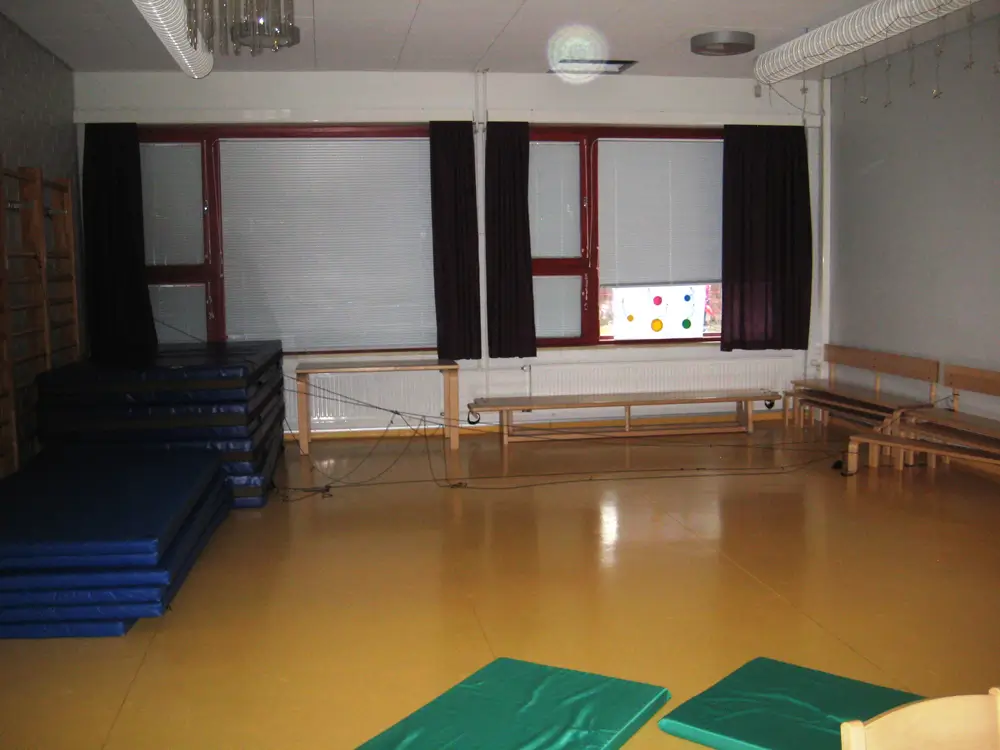

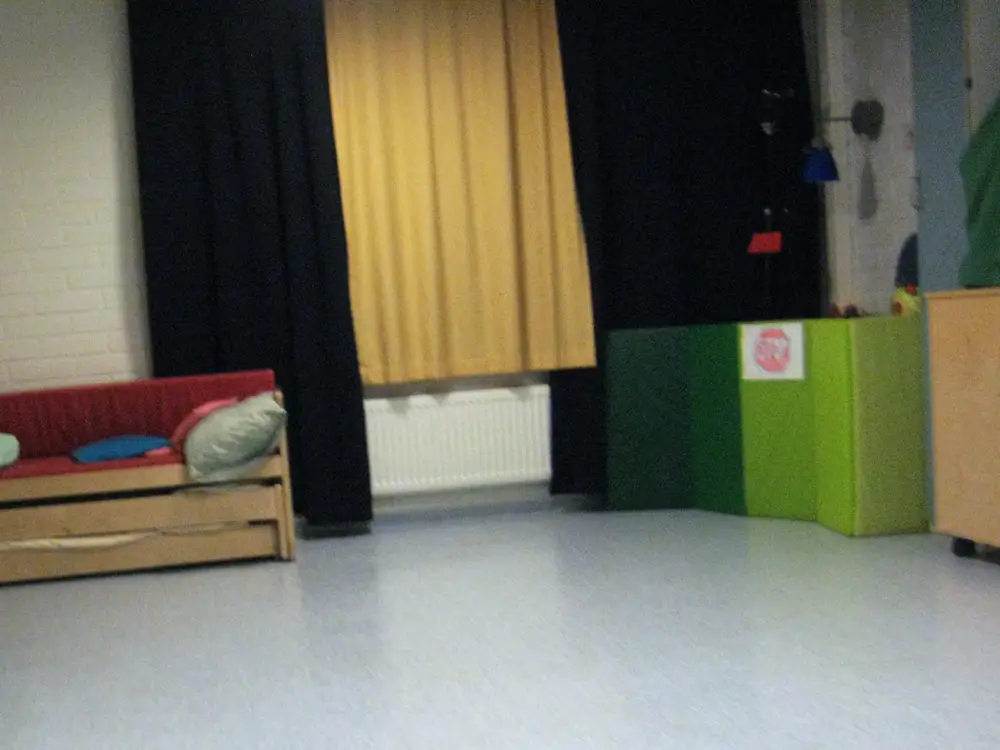
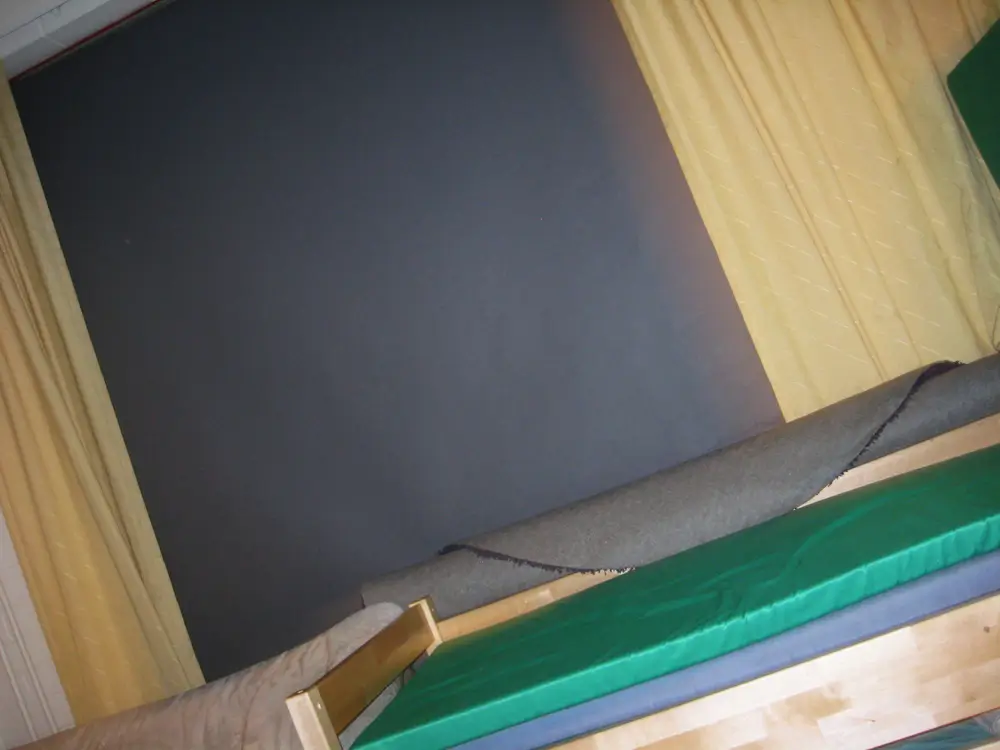
Overall, I handled the research materials with great care, which meant foregoing shared viewings of the videos with colleagues—despite their potential to enrich a thinking-with process—and instead working with the audiovisual materials alone, without sharing them. In publishing, I used only photographs that do not expose the children in ways that could lead to their identification. This decision required a careful and deliberate selection process. On several occasions, I had to strategically crop images and, in a few instances, blur them. For these reasons, I decided not to include any video material as part of this commentary. Instead, I chose to work creatively by drawing selected moments from the videos. At times, these safeguarding measures have felt contrary to the spirit and intentions of the children themselves, as I believe many of them would have appreciated having their photographs included as they were. On the other hand, considering that the children who were three years old during the research are now nine, and those who were seven are entering their teenage years, their external appearances and opinions may have changed drastically—further motivating my commitment to safeguarding their privacy as conscientiously as possible.